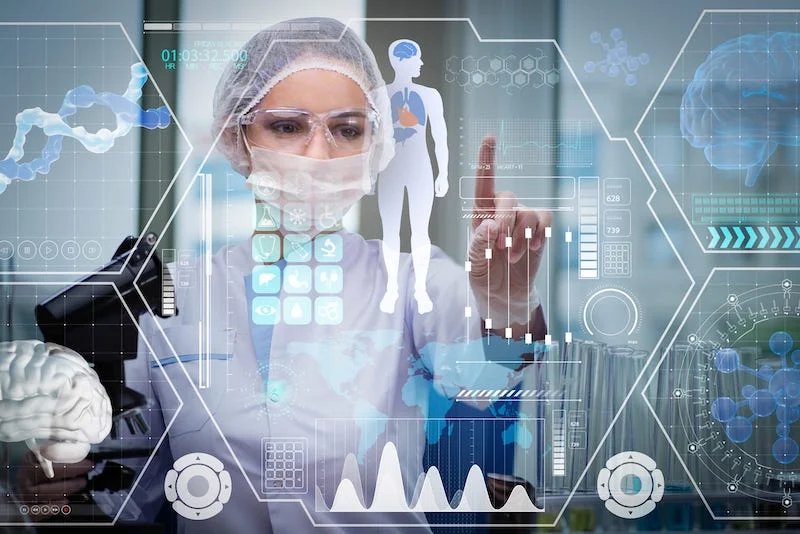
Laboratory medicine provides the data required for illness diagnosis, treatment monitoring, and medical research support; it has always been essential to healthcare. The area of laboratory medicine is about to enter a new age as technology continues to progress. The way labs function and provide findings is changing due to innovations like automation, artificial intelligence, digital systems, and sophisticated Diagnostic instruments. The future of laboratory medicine is growing more precise, efficient, and linked, which will eventually improve patient care globally.
Laboratory Operations Are Changing Due To Technology
The increasing use of automation in laboratory medicine is one of the most obvious trends. Automated systems are increasingly used in modern labs to manage data, prepare samples, and conduct tests. These technologies enable labs to handle more samples in less time and eliminate the need for manual procedures.
Additionally, automation reduces the possibility of human error, which is crucial when handling vital medical data. Laboratories may increase production while maintaining strict quality and accuracy requirements by optimizing procedures.
Artificial Intelligence Is Improving Diagnostic Precision
In laboratory medicine, artificial intelligence is starting to play a significant role. Large volumes of laboratory data can be analyzed by AI systems, which might spot trends that medical personnel might not see right away. This skill facilitates better clinical decision-making and enhances illness identification.
AI, for instance, may help detect aberrant test findings, forecast the course of an illness, and suggest more testing. Laboratories will be able to provide quicker and more accurate diagnostic insights that promote improved patient outcomes as machine learning technologies continue to advance.
Collaboration In Healthcare Is Improved By Digital Connectivity
Digital connection is a key component of laboratory medicine’s future. Healthcare providers may swiftly and securely communicate laboratory results thanks to electronic health records and connected healthcare systems. Physicians will have fast access to critical test data because of this enhanced communication.
Collaboration between labs, hospitals, researchers, and public health groups is also facilitated by digital platforms. Healthcare practitioners can react to new health issues faster and enhance patient care by more efficiently exchanging information.
Advanced Testing Techniques Are Increasing Opportunities
Laboratory testing is becoming more advanced than ever thanks to technological advancements. New avenues for illness identification and treatment planning are being made possible by molecular diagnostics, genetic testing, and customized medicine. These cutting-edge testing techniques provide medical professionals with a greater understanding of each patient’s health and enable them to customize therapies to meet unique requirements.
Identifying hereditary disorders, determining illness risks, and choosing targeted therapy all benefit greatly from the capacity to evaluate genetic data. Laboratory medicine will continue to be a key component of individualized treatment as these technologies become more accessible.
Data Analytics Will Help Make Wiser Choices
Every day, massive volumes of data are produced by modern labs. This data is transformed into insightful knowledge that aids in clinical decision-making and healthcare planning with the use of sophisticated data analytics technologies.
Laboratories may monitor population health, detect possible epidemics, and assess the efficacy of treatments by examining trends and patterns. Additionally, data-driven methods assist labs in streamlining their operations and supporting quality improvement activities.
It’s interesting to note that a lot of healthcare institutions promote public health objectives by promoting community engagement. Programs that encourage volunteering opportunities in Denver show how healthcare institutions may include the community in outreach, health education, and wellness activities that enhance the work done in labs.
Workforce Development Is Still Crucial
Although laboratory medicine is changing due to technology, qualified experts are still at the core of the industry. To interpret data, handle complicated situations, and guarantee that quality standards are maintained, laboratory scientists, pathologists, and medical professionals are required.
Training in both developing technology and scientific concepts will be necessary for future laboratory practitioners. Advanced diagnostic methods, data analysis, and digital literacy will become more and more important topics in educational curricula. As technology advances, lifelong learning will be crucial.
Additionally, healthcare businesses are realizing the value of worker development and community involvement. Future healthcare workers are inspired by initiatives like mentorship programs and volunteering opportunities in Denver, which also strengthen linkages between healthcare facilities and the communities they serve.
The Future Of Laboratory Medicine
The growth of technology will provide several prospects for laboratory medicine in the future. The way labs function and support healthcare is changing due to automation, artificial intelligence, digital connection, enhanced diagnostics, and data analytics. These developments are assisting labs in producing findings more quickly, increasing accuracy, and facilitating more individualized patient care strategies.
Laboratory medicine will continue to play a crucial role in both public health and medical decision-making as healthcare systems continue to adopt technology. Labs will continue to be crucial in improving healthcare outcomes in a technologically advanced society by combining cutting-edge innovation with skilled staff and community involvement.