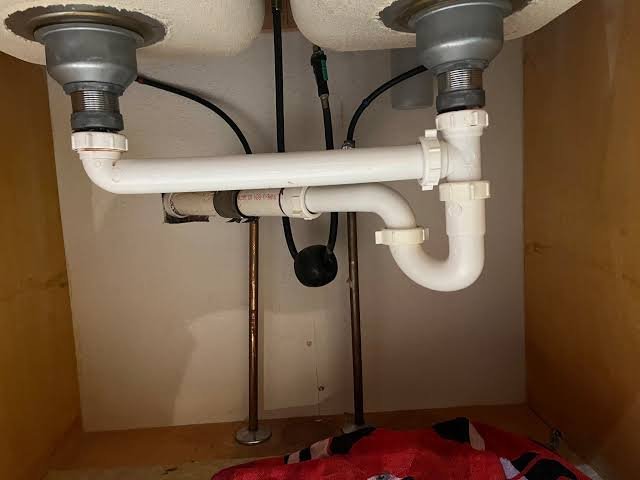
A well-functioning kitchen depends heavily on reliable water flow and effective drainage. Homeowners may pay considerable attention to countertops, cabinets, appliances, and lighting, but the plumbing behind these visible features has an equally important role. When water pressure is inconsistent or drains become slow, even simple activities such as preparing meals and washing dishes can become inconvenient.
Houston homes can have different plumbing needs depending on their age, pipe materials, kitchen layout, and previous renovations. Improving kitchen plumbing Houston can make everyday tasks easier while also helping homeowners reduce water waste, prevent leaks, and avoid recurring drainage problems.
Understanding The Importance Of Consistent Water Flow
Good water flow is essential for practically every kitchen activity involving the sink. A faucet that delivers weak or inconsistent water pressure can make rinsing vegetables, filling pots, and cleaning cookware unnecessarily time-consuming.
Several issues can contribute to poor water flow. Mineral deposits may gradually accumulate inside faucet aerators or plumbing components. Older pipes can also become restricted because of corrosion or buildup. In some situations, improperly sized pipes or problems elsewhere in the plumbing system may affect kitchen water pressure.
Identifying the actual cause is important before replacing fixtures or making major changes. A new faucet, for example, may not solve weak water flow if the underlying problem is inside the supply lines.
Improving Kitchen Drainage Performance
Water entering the kitchen is only half of the plumbing equation. It must also leave efficiently. One of the most apparent indicators that a kitchen plumbing system requires attention is the presence of slow drainage.
Kitchen drains regularly handle grease, food particles, soap residue, and other materials. Although homeowners may try to keep these substances out of the sink, small amounts can still enter the drainage system over time. Gradual buildup can reduce the internal space available for wastewater to move through the pipe.
Using sink strainers and keeping cooking grease out of drains can help reduce unnecessary buildup. Homeowners should also pay attention to recurring slow drainage. A sink that repeatedly drains poorly after basic cleaning may indicate a problem deeper within the plumbing system.
Choosing The Right Kitchen Fixtures
Fixtures influence both functionality and water consumption. Modern kitchen faucets are available with different flow rates, spray settings, handle designs, and convenience features. Choosing a fixture should therefore involve more than matching it with the kitchen’s appearance.
A faucet needs to work properly with the existing plumbing configuration and household requirements. Efficient fixtures can provide practical water flow while helping control unnecessary consumption.
Sink selection also affects drainage and everyday usability. The size and depth of the sink, drain position, garbage disposal configuration, and surrounding plumbing should all be considered together. Planning these elements as one system can create a more functional workspace.
Addressing Aging Supply Lines And Pipes
Older plumbing deserves particular attention when kitchen improvements are being planned. Pipes and supply connections can deteriorate gradually without producing obvious symptoms immediately.
Corrosion, small leaks, restricted pipes, and weakened connections can eventually affect water flow or cause property damage. Kitchen renovations provide a useful opportunity to inspect plumbing that may otherwise remain hidden behind cabinets or walls.
Replacing deteriorated components while the area is already accessible can sometimes be more practical than waiting for a future plumbing problem. The condition of existing materials should be evaluated before deciding whether replacement is necessary.
Designing Plumbing Around Kitchen Use
Kitchen layouts have changed considerably over the years. Large islands, secondary sinks, dishwashers, refrigerators with water dispensers, and other features may require additional plumbing considerations.
Moving a sink to an island, for example, can involve changes to both water supply and drainage. Adding appliances that use water may require dedicated connections. Drainage pipes must also maintain an appropriate configuration so wastewater can move efficiently.
This makes plumbing an important part of the early planning process rather than something to consider after cabinets and appliances have already been selected. Thoughtful planning can reduce complications and help different kitchen components work together properly.
Preventing Common Drainage Problems
Daily habits can significantly influence the performance of kitchen drains. Grease and cooking oils should generally be collected separately rather than poured into the sink because they can contribute to buildup inside pipes.
Food scraps should also be managed carefully. Even when a garbage disposal is installed, it should not be treated as a substitute for proper waste disposal. Large quantities of fibrous, starchy, or hard food waste can create unnecessary strain on the drainage system.
Regular attention to drainage speed can help homeowners recognize developing problems early. Gurgling sounds, unpleasant drain odors, standing water, and repeated backups are signs that deserve investigation.
Planning Kitchen Plumbing Improvements In Houston
Better kitchen plumbing is ultimately about creating a reliable connection between water supply, fixtures, appliances, and drainage. Each part of the system affects the others, which is why isolated repairs may not always address recurring problems.
Houston homeowners planning renovations or dealing with persistent kitchen plumbing concerns can benefit from evaluating the complete system. Checking supply lines, fixture performance, pipe condition, drainage efficiency, and appliance connections can reveal opportunities for meaningful improvements.
A kitchen with dependable water flow and efficient drainage is easier to use and maintain. By addressing aging components, improving drainage practices, selecting suitable fixtures, and planning plumbing around the way the kitchen is actually used, homeowners can create a more functional space while reducing the likelihood of inconvenient plumbing problems in the future.