
Quiet Living: The Minimalist Lifestyle That’s Taking Over Social Media

General

In a world dominated by fast-paced trends, digital noise, and the constant hustle culture, a quiet revolution is gaining momentum — and it’s surprisingly peaceful. Quiet living, a lifestyle rooted in minimalism, mindfulness, and intentional living, is becoming one of the most talked-about trends on social media. From aesthetic Instagram feeds to calming TikTok reels, more people are embracing a slower, simpler way of life.

But what exactly is quiet living, and why is it resonating with so many?

What Is Quiet Living?

At its core, quiet living is about creating a calm, intentional life by removing excess — both physical and emotional. It combines elements of minimalism, slow living, and digital detox culture. It’s not just about having fewer possessions but about making space for what truly matters: peace, purpose, and presence.

Quiet living promotes:

  • Fewer material possessions
  • More time in nature
  • Digital mindfulness
  • Simple daily rituals
  • Emotional well-being
  • Clean, cozy, and decluttered environments

It’s the opposite of the flashy, fast-paced lifestyles that once dominated influencer culture.

Why It’s Trending on Social Media

Ironically, a lifestyle rooted in silence and slowness is thriving on the busiest platforms — Instagram, TikTok, and Pinterest. But the reason is clear: people are craving authenticity and calm in an overwhelming world.

Posts under hashtags like #QuietLiving, #MinimalistHome, and #SlowLiving feature aesthetic visuals of tranquil morning routines, tidy homes, tea brewing in silence, and long walks through the forest. These posts provide a sense of comfort and inspiration — a visual escape from chaotic feeds filled with noise and urgency.

In short, social media has become a space where people aspire to disconnect and embrace a more mindful existence.

The Benefits of Embracing Quiet Living

More than just a trend, quiet living offers a range of tangible mental, emotional, and physical benefits:

1. Reduced Stress and Anxiety

By removing physical clutter and mental distractions, your environment becomes a source of calm. A simplified lifestyle leads to less decision fatigue, fewer time pressures, and more moments of stillness.

2. Improved Focus and Clarity

Fewer distractions mean more focus. Whether it’s reading a book, journaling, or simply preparing a meal, quiet living encourages being fully present in the moment.

3. Better Financial Habits

Minimalism promotes conscious spending. You become less attached to material items and more focused on what adds real value to your life.

4. Deeper Connections

By cutting back on digital noise and constant busyness, you make room for meaningful conversations and deeper relationships.

How to Practice Quiet Living

You don’t need to move to a cabin in the woods to live quietly. Here are simple ways to integrate quiet living into your routine:

  • Declutter your space: Start with one drawer, shelf, or room. Keep only what you truly use or love.
  • Unplug regularly: Set specific times to disconnect from social media and digital devices.
  • Simplify your schedule: Say no to unnecessary commitments and leave room for rest.
  • Create quiet rituals: Enjoy your morning coffee slowly, take mindful walks, or read without distractions.
  • Curate your digital feed: Follow accounts that inspire peace and unfollow those that promote chaos or comparison.

Quiet living is not about achieving perfection — it’s about making intentional choices that align with your values and support your well-being.

Final Thoughts

As modern life becomes increasingly loud, complex, and fast, the idea of quiet living offers a much-needed breath of fresh air. It’s no wonder that people across the globe are turning to this lifestyle — and sharing it online — as a form of healing and balance.

In a culture that often measures worth by how busy or visible you are, quiet living offers a gentle reminder: you don’t have to be loud to live fully. Sometimes, the most powerful lifestyle is the one lived softly, simply, and with intention.

Discover more through these resources :

https://aismsocialride.it/
https://familynursehomecare.com/
https://usydfoodcoop.org/
https://alpacadreamsnc.com/
https://scottishrepublicansocialistmovement.org/
https://livecliq.net/
https://qe2hotels.com/
https://blithespirittheplay.com/
https://vieille-charite-marseille.org/
https://houseofkava.com/
https://rambuseducation.com/
https://sacbiznews.com/
https://cannabisprofitscourse.com/
https://atoustages.fr/
https://childrensismoving.com/
https://usakitchenandhome.com/
https://hellowatch.co.uk/
https://landformblog.co.uk/
https://lawscl.org/
https://macgregorsladiesfashion.com/
https://easternfashiononline.com/
https://seikopoker.com/
https://motornewsfirst.com/
https://collezionivaticano.it/ 
https://csusmhistory.org/
https://petmall.org/
https://kardashianfragrance.com/
https://jennymacklin.net.au/
https://somdmda.org/
https://fashionbetgiris.net/
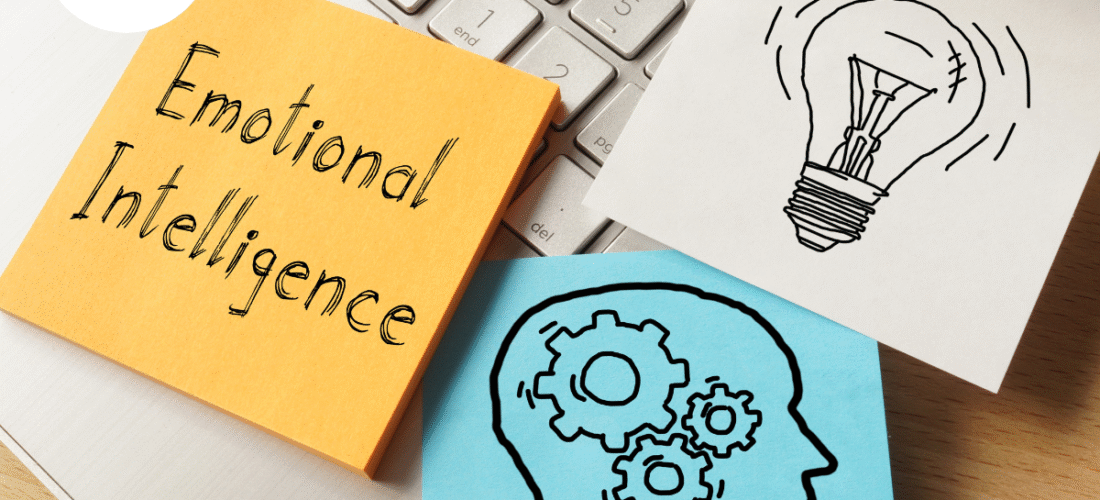
Why Emotional Intelligence Is The Key To Better Connections?

General

In a world dominated by technology and quick exchanges, the value of genuine human connection has never been more important. Yet, the ability to build meaningful relationships—whether personal, professional, or casual—depends on something deeper than just communication skills. It hinges on emotional intelligence.

Emotional intelligence, often referred to as EQ, is the ability to recognize, understand, manage, and influence emotions—both our own and those of others. Unlike IQ, which measures intellectual ability, EQ determines how well we navigate the emotional landscape of daily life. And in doing so, it shapes the quality of our relationships.

At its core, emotional intelligence allows us to be more present, more empathetic, and more attuned to others’ experiences. These qualities are essential when it comes to forging strong connections.

Understanding Ourselves First

The first step to improving how we connect with others is developing self-awareness. Emotional intelligence begins with an honest understanding of our own emotions—how we feel in different situations, what triggers us, and how our mood impacts our behavior. When we know ourselves better, we are less likely to react impulsively or project our frustrations onto others.

For instance, recognizing that you’re feeling overwhelmed before snapping at a friend or colleague gives you the power to pause and respond thoughtfully instead. This simple awareness transforms potential conflict into an opportunity for understanding. By tuning into your emotional state, you create space for intentional communication instead of reactive behavior.

Empathy Deepens Our Connections

Empathy is one of the most powerful components of emotional intelligence. It’s the ability to step into someone else’s shoes and truly understand their perspective. Unlike sympathy, which might just express pity, empathy leads to deeper listening and shared emotional experience.

When you actively listen to someone and respond with empathy, you make them feel seen and valued. In relationships, this translates into trust and openness. Empathy helps us support our loved ones through challenges, resolve conflicts without judgment, and collaborate more effectively with teammates. It’s a bridge that connects hearts and minds, often without needing many words.

In everyday life, this could be as simple as saying, “That sounds really tough—do you want to talk about it?” instead of offering quick fixes. These small moments of empathy accumulate, creating stronger bonds and deeper mutual respect.

Better Regulation Means Fewer Regrets

Emotional intelligence isn’t just about understanding feelings—it’s about managing them too. Emotional regulation helps prevent situations from escalating and allows us to approach challenges with clarity. When people lack this skill, even minor misunderstandings can turn into long-standing rifts.

By learning to pause, take a breath, and respond thoughtfully, emotionally intelligent individuals reduce the likelihood of regretful words or actions. They’re more adaptable in tense moments and better at diffusing tension before it harms the relationship.

In both personal and professional spheres, emotional regulation can prevent unnecessary drama and promote a sense of psychological safety. When people know you won’t lash out under pressure, they feel more comfortable being honest and vulnerable with you.

Emotional Intelligence Builds Trust

Trust is the foundation of every meaningful relationship. It isn’t built overnight—it develops through consistent actions and communication. Emotionally intelligent people foster trust by being genuine, dependable, and emotionally consistent.

They don’t shy away from expressing their feelings, but they do so in a constructive way. They also recognize when others need space, support, or encouragement. By being emotionally available and attuned, they demonstrate that they’re safe to be around. That kind of consistency builds emotional security, which strengthens all types of connections.

Trust also deepens when you acknowledge mistakes and apologize sincerely. Emotional intelligence gives people the humility to admit when they’re wrong and the insight to understand how their actions affected someone else. These moments of accountability can actually bring people closer together, rather than drive them apart.

The Ripple Effect In Social Environments

When emotional intelligence becomes part of your everyday behavior, it not only enhances individual relationships but also transforms the larger social environment. Whether it’s within a family, a workplace, or a community, emotionally intelligent behavior sets a positive tone. It encourages openness, reduces toxic dynamics, and promotes collaboration.

In a team setting, someone with high EQ helps resolve tension, ensures that everyone feels heard, and contributes to a culture of respect. In families, emotionally intelligent members act as emotional anchors, providing stability during periods of stress or change.

We often think of social skills as being about charm or conversation, but real connection goes deeper. People are drawn to those who make them feel comfortable and understood. Emotional intelligence makes that possible—not through performance, but through authenticity and presence.

Conclusion

In every sphere of life, from intimate relationships to workplace dynamics, emotional intelligence is what turns interaction into connection. It’s not about being overly sensitive or always agreeable. Rather, it’s about being aware, empathetic, and mindful of the emotional currents that flow through every relationship. As the world becomes more digitally connected yet emotionally distant, developing emotional intelligence is more than a personal advantage—it’s a social necessity. Those who invest in their EQ not only improve their own lives but also elevate the experiences of those around them. Better conversations, stronger bonds, and lasting trust all stem from this single, powerful skill set. Emotional intelligence isn’t just the key to better connections—it’s the heart of them.

Check these out for related content:

https://uggaustraliasalenet.com

https://francemedianews.com

https://autofans.us

https://travellingtrailer.com

https://kumpulanbandarpoker.org

https://bartonunited.co.uk

https://farianews.com

https://evemed.co.uk

https://thecbdstoreonline.com

https://nixsmate.com

https://newsoaxaca.com

https://mrfinancechallenge.com

https://destinationovertornea.org

https://fallenandflawed.com

https://micanet.net

https://roverpolo.org

https://tamava.org

https://isleuthhound.com

https://nodalpoint.net

https://keralanewsnow.com

https://nr-7releases.com

https://nkhomegroup.com

https://truenewsd.com

https://humaswonogirinews.org

https://swisscartier.co.uk

https://luellemag.com

https://sammatson.net

https://wesserblog.co.uk

https://legalkushfly.com

https://bzahomestylecrafts.com

Bold & Personalised: Statement Charm Chains, Cuffs & Chunky Watch Trends

Lifestyle

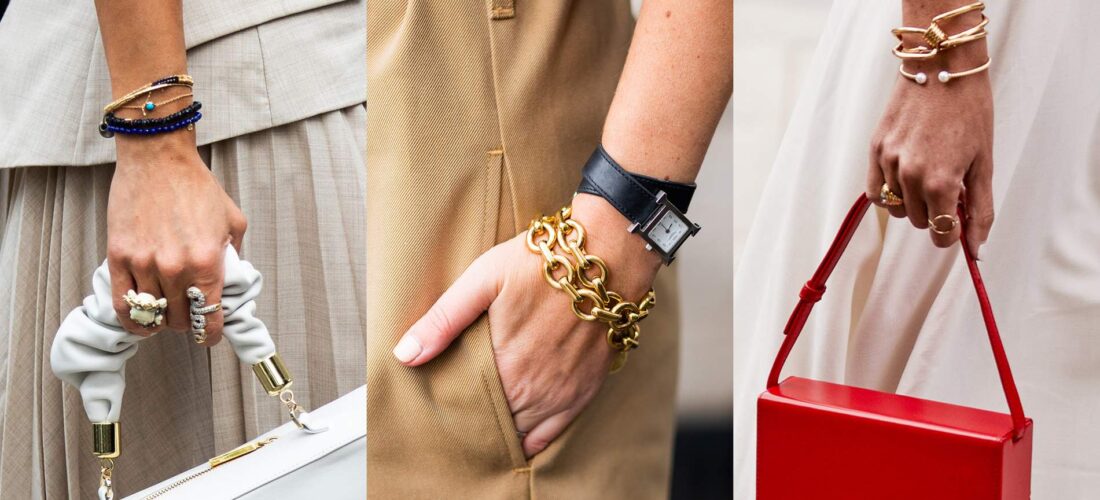
In the world of accessories, personal style has never been more celebrated. Today’s fashion-forward crowd is leaning into bold choices, mixing personalised jewellery with statement pieces that spark conversation. Among the leading trends dominating wrists this season are statement charm chains, wide cuff bracelets, and chunky watches. But more than just aesthetics, personalisation is taking centre stage—thanks to the timeless appeal of Nomination Charms, Nomination Bracelets, and Nomination Watches.

The Rise of Statement Charms

Charm jewellery has evolved beyond the dainty and delicate. Today’s charm chains are oversized, daring, and loaded with meaning. These big chains can be worn as necklaces or bands, and they look like they could tell a story. From symbols of love and luck to initials and icons, each charm adds a layer of identity to your accessory game.

Nomination Charms stand out in this space by offering a mix of stylish flair and meaningful expression. Designed with Italian craftsmanship, these charms click seamlessly into their modular base, making it easy to build and change your look on a whim. Whether you’re celebrating milestones or showcasing your passions, Nomination Charms are a bold yet elegant way to wear your heart on your sleeve—literally.

Cuff Bracelets That Command Attention

Wide cuff bands are back in a big way, both on the catwalk and in everyday life. Whether crafted in gold, silver, or matte black finishes, cuffs bring drama and structure to any outfit. Paired with softer fabrics or layered over sleeves, they offer a clean and commanding presence.

While cuffs are inherently bold, they also serve as the perfect canvas for personalisation. Many are now engraved or paired with interchangeable plates and charms, allowing wearers to add their unique touch. A Nomination Bracelet can offer a hybrid approach here, balancing the structure of a cuff with the flexibility of interchangeable links and charms. The result is a versatile bracelet that feels fresh each time you wear it.

Chunky Watches: Fashion Meets Function

Chunky watches have become a staple for those who want their wristwear to do more than just tell time. Oversized dials, metallic finishes, and bold faces give these watches a high-fashion edge while maintaining everyday practicality. This trend breaks away from minimalist watch design, allowing wearers to embrace personality and punch in one piece.

Nomination Watches embrace this bold spirit without losing their sleek Italian sensibility. Their timepieces often feature modern stainless steel, eye-catching detailing, and compatibility with interchangeable links, just like their iconic bracelets. A Nomination Watch isn’t just about function; it’s about curating a look that speaks volumes about who you are.

Mixing & Matching with Confidence

One of the most exciting aspects of today’s accessory trends is the freedom to mix and match. Statement pieces aren’t just worn alone—they’re layered together for an eclectic, curated vibe. Pair your Nomination Bracelet with a wide metal cuff, or stack it with other wristwear for contrast. Combine Nomination Charms that reflect different aspects of your personality, or coordinate your watch face with your outfit of the day.

This season, it’s all about bold self-expression. Whether you lean toward glam, minimalist, or edgy styles, incorporating personalised statement pieces lets you tell your story in a uniquely visual way.

Final Thoughts

Fashion has always been a way to express who you are, but the trends of today are more unique and powerful than ever. Statement jewellery like charm chains, cuff bracelets, and watches lets you show off your style in a way that means something to you. You can make a collection that is as unique and changing as you are with Nomination Charms, Nomination Bracelets, and Nomination Watches. Now is the time to wear accessories that make a statement.

What Healthy Relationships Actually Look Like?

General

In a world filled with social media highlight reels and unrealistic romantic narratives, it’s easy to misunderstand what a truly healthy relationship looks like. Whether it’s a romantic partnership, a close friendship, or a family bond, healthy relationships are not about perfection or constant harmony. Instead, they are rooted in mutual respect, trust, communication, and growth.

Let’s explore the real markers of a healthy relationship—qualities that help both people feel valued, heard, and supported.

1. Open And Honest Communication

Healthy relationships thrive on honest, open communication. This means feeling safe to express thoughts, feelings, and needs without fear of judgment or backlash. In these relationships, both parties listen actively—not just to respond, but to understand.

Disagreements are inevitable, but in healthy dynamics, they’re handled constructively. Partners or friends speak to each other, not at each other. They use clear language, avoid blame, and strive for solutions rather than scoring points.

2. Mutual Respect

Respect goes beyond politeness—it’s about valuing each other’s opinions, boundaries, and individuality. In a healthy relationship, no one tries to control or dominate. Instead, each person recognizes and honors the other’s autonomy.

This also means supporting each other’s goals and dreams, even if they’re different from your own. Respect shows up in how you talk to each other, how you handle conflict, and how you celebrate one another’s wins.

3. Trust And Emotional Safety

Trust is the foundation of any lasting relationship. It’s built over time through consistency, reliability, and honesty. In healthy relationships, you don’t feel the need to constantly prove yourself or question the other person’s motives.

Just as important is emotional safety—knowing you can be vulnerable without being criticized or dismissed. Whether you’re sharing your fears or asking for help, healthy relationships allow you to be your true self.

4. Boundaries Are Respected

Contrary to popular belief, strong relationships don’t mean sharing everything or being together constantly. In fact, healthy boundaries strengthen connection. They create a balance between closeness and independence.

This could mean respecting each other’s alone time, acknowledging emotional limits, or being clear about what behaviors are unacceptable. In a healthy dynamic, boundaries are communicated clearly—and honored without guilt or resistance.

5. Equality And Balance

Healthy relationships are not one-sided. Whether it’s emotional labor, decision-making, or responsibilities, there should be a sense of give and take. This doesn’t mean everything is split 50/50, but rather that both parties feel their contributions are valued and that the relationship feels balanced over time.

If one person is constantly giving while the other takes, resentment can build. In contrast, mutual effort creates a partnership where both people feel seen and supported.

6. Growth And Flexibility

People evolve, and so should relationships. Healthy bonds allow for individual growth while nurturing the connection. This could mean supporting a friend through career changes, or adjusting to a partner’s new life goals.

Flexibility is key. When challenges arise—be it life stress, illness, or personal changes—healthy relationships adapt. There’s space to grow together rather than grow apart.

7. Joy, Laughter, And Appreciation

Let’s not forget—healthy relationships include fun, affection, and shared joy. They make space for laughter, playfulness, and appreciation. You feel good about being around the other person, and you both take time to celebrate even the small moments.

Expressions of gratitude, thoughtful gestures, and quality time reinforce connection and remind both people why they value the relationship in the first place.

Final Thoughts

Healthy relationships aren’t about being perfect or conflict-free. They’re about showing up with care, respect, and intention—day after day. When both people commit to growing together, communicating honestly, and supporting one another, the relationship becomes not just a source of comfort—but a foundation for personal and shared fulfillment.

Explore these resources:  

https://fat-aus.com/
https://neuroinfancia.org/
https://reworkinglunch.org/
https://samplesalesites.com/
https://bionatrolcbdoil.net/
https://nagercoilhomechurch.com/
https://homesture.com/
https://mehryanatravel.net/
https://nacfnews.com/
https://malnadnews.com/
https://mexicobreakingnews.com/
https://fivestarhomeventures.com/
https://thetellynews.com/
https://northeasthome.info/
https://homeguidehq.com/
https://sekilaspoker.net/
https://thesafepad.co.uk/
https://mapsmentoring.co.uk/
https://hydroponichomemade.com/
https://famagusta-news.com/
https://mattramsey.org/
https://thcmarketingsettlementclaim.com/
https://cbdnaturallifestyles.com/
https://benedictquinn.co.uk/
https://veriqual.co.uk/
https://kelapasawitnews.com/
https://futurefringe.co.uk/
https://successlookslikeyou.co.uk/
https://swisshospitalityeducation.com/
https://csfcycleforlife.org/ 

How Doing Less Can Help You Achieve More?

General

In today’s fast-paced, productivity-obsessed world, we often believe that doing more—working longer hours, filling every moment with tasks, and multitasking endlessly—is the key to success. But what if the opposite were true? What if doing less is actually the secret to achieving more?

This idea isn’t just about cutting back for the sake of it. It’s about being intentional. By focusing your time, energy, and attention on what truly matters, you can create space for better results, deeper creativity, and improved well-being. Here’s how doing less can help you accomplish more in every area of your life.

1. Focus Leads To Quality

When you try to do too many things at once, none of them get your best. Shifting your attention between tasks reduces efficiency and increases errors. In contrast, doing fewer things—but doing them with focus—results in higher quality work and faster progress.

This is the core of the 80/20 principle (also known as the Pareto Principle), which suggests that 80% of outcomes come from 20% of efforts. Identifying and focusing on the tasks that generate the greatest return allows you to accomplish more by doing less.

2. Clarity Comes From Simplicity

Overcommitting leads to mental clutter. When your to-do list is overloaded, your mind becomes overwhelmed, making it harder to make decisions or think creatively. But when you simplify and streamline, clarity emerges. You know your priorities. You’re less reactive and more intentional.

Doing less doesn’t mean doing nothing—it means choosing the right things. Start each day by asking, “What is the one thing I can do today that will make everything else easier or unnecessary?” That single act of clarity can make a huge difference.

3. Energy Is Finite—Use It Wisely

Your energy is a limited resource. Just like a battery, you can only go so long before needing a recharge. When you spread yourself too thin, your performance drops across the board. But when you conserve your energy for a select few high-impact tasks, you’re more likely to do them well and feel good doing them.

Taking breaks, saying no to nonessential commitments, and avoiding busywork can help preserve your energy. Ultimately, managing your energy is just as important as managing your time.

4. Rest Boosts Productivity

Rest is not a reward—it’s a requirement. Contrary to the “hustle culture” mindset, constantly being busy doesn’t make you more productive; it just makes you more tired. Rest gives your brain time to consolidate ideas, process information, and recover from stress.

Many great thinkers and creators throughout history—Einstein, Darwin, and even modern CEOs—have valued downtime as a source of insight. If you want to do your best thinking, give yourself permission to pause.

5. Doing Less Reduces Burnout And Increases Joy

Trying to do everything leads to stress, burnout, and even resentment. When you pare down your commitments, you create space not just for productivity but also for joy, presence, and connection. You enjoy what you’re doing more. You show up fully in relationships. You breathe easier.

A “less is more” mindset allows you to be both successful and fulfilled, instead of sacrificing one for the other.

Final Thoughts

Doing less isn’t about being lazy—it’s about being strategic, mindful, and purposeful. It’s recognizing that true productivity is not measured by how busy you are but by the value of what you produce and how you feel while doing it.

In a world that glorifies hustle, choosing to slow down and focus on what matters most might just be the most radical—and effective—way to get ahead. So take a breath, step back, and remember: sometimes, less truly is more.

Here are some helpful resources to explore:

 https://xamshebeauty.com/
https://journalistenews.com/
https://remood.org/
https://lawandtechnology.net/
https://geohealthwestafrica.org/
https://jhomefashion.com/
https://supernorth.co.uk/
https://ournewstw.com/
https://averyhealthcare.org/
https://betonmoney.com/
https://lainhomecareservice.com/
https://meregrand.org/
https://thegreenhousecc.org/
https://treatmentdiariesblog.com/
https://releaseswebershandwick.com/
https://nickernewsblog.com/
https://releasesinpress.com/
https://mountainhometreeservice.com/
https://empeusacbd.com/
https://marijuanaonlineshopsupply.com/
https://homedocsmedical.com/
https://statianews.com/
https://medicalmarijuanacontrolact.org/
https://cbdhempoilqueen.com/
https://oblive.co.uk/
https://artwalknews.com/
https://holradio.net/
https://newst20.com/
https://homesinmia.com/
https://ncruralhealth.org/

Living With Varicose Veins: Daily Tips To Reduce Pain And Swelling

Health

Varicose veins go beyond appearance. These enlarged, twisted veins—often seen on the legs and feet—can cause discomfort, swelling, and aching, especially after standing for long periods. For many, the daily reality of living with varicose veins involves navigating pain and fatigue, which can interfere with work, social activities, and overall quality of life.

Medical and surgical treatments are available, but basic daily behaviours can help manage varicose vein symptoms and halt progression. Making thoughtful lifestyle adjustments can ease discomfort and promote better circulation, helping you feel more in control of your condition.

Prioritise Movement Throughout The Day

One of the most important things you can do to manage varicose veins is to keep moving. Sitting or standing for lengthy durations can cause blood to pool in your lower limbs, putting strain on your veins. If your job requires long hours at a desk, try standing up and walking around every 30 minutes. If you work on your feet, take breaks when you can to sit down and elevate your legs.

Low-impact exercises like walking, cycling, and swimming enhance blood circulation and leg strength. Aim for at least 30 minutes of movement daily to promote healthy blood flow and relieve pressure on your veins.

Elevate Your Legs When Resting

Gravity works against you when it comes to varicose veins. Elevating your legs above heart level for 15–20 minutes a few times a day helps your body move blood out of the legs more efficiently. This simple habit can provide noticeable relief, especially at the end of a long day.

When lounging or sleeping, consider placing pillows under your legs to maintain elevation. This not only eases swelling but also prevents blood from pooling overnight.

Wear Compression Stockings

Compression stockings are one of the most widely recommended non-invasive tools for managing varicose vein symptoms. These precisely made clothing gently presses your legs to return circulation to the heart. They come in various pressure levels and styles, depending on the severity of your condition and your doctor’s recommendation.

Wearing compression stockings throughout the day can significantly reduce pain, swelling, and fatigue. Make sure to put them on first thing in the morning, when swelling is at its lowest, and wear them consistently for best results.

Stay Hydrated And Maintain A Balanced Diet

Dehydration can contribute to poor circulation and thicker blood, both of which put added pressure on already weakened veins. Drinking plenty of water helps keep your veins flexible and promotes optimal blood flow. A balanced diet high in fibre and low in sodium supports vascular health and lowers oedema and inflammation.

Constipation is another common issue that can worsen varicose veins, particularly in the pelvic and leg areas. Eating high-fibre foods like fruits, vegetables, whole grains, and legumes can help regulate digestion and minimise straining during bowel movements—an important consideration if you’re managing conditions linked to proctology.

Avoid High Heels And Tight Clothing

Your choice of clothing can directly impact blood circulation. High heels restrict calf muscles, which push blood back to the heart. Opt for low-heeled shoes or flats that allow for a more natural stride and greater calf engagement.

Tight waist, groin, and leg apparel can also limit blood flow and aggravate varicose veins. Choose loose-fitting, breathable clothes whenever possible, especially on days when you’re on your feet for long periods.

Manage Your Weight

Weight puts pressure on veins, making them less efficient. Even a small weight loss can alleviate symptoms and prevent vein damage. Regular exercise and a balanced diet improve vascular and digestive health, which is great for gastroenterology.

Listen To Your Body

Perhaps the most important tip of all is to pay close attention to how your body responds throughout the day. If you feel a heavy, aching sensation in your legs or notice swelling increasing, don’t ignore it. Take time to rest, elevate your legs, or apply a cool compress. Small, thoughtful actions can improve symptoms and keep you active and engaged in daily life.

Conclusion

Living with varicose veins can be frustrating, but it’s far from hopeless. By adopting daily habits that support healthy circulation and reduce strain on your veins, you can take meaningful steps toward comfort and mobility. While professional medical treatments may eventually be necessary, these strategies can provide much-needed relief in the meantime—and even slow the progression of symptoms. If you’re struggling with chronic pain, swelling, or mobility issues related to varicose veins, don’t hesitate to consult a specialist. Early intervention improves long-term outcomes and treatment choices.

What Your Morning Coffee Ritual Says About You?

General

For many people, the day doesn’t officially begin until that first sip of coffee hits the lips. More than just a caffeine fix, the morning coffee ritual is a deeply personal moment that sets the tone for the hours to come. Whether it’s a rushed gulp before dashing out the door or a slow, meditative process, how you prepare and consume your coffee can reveal more about you than you might think.

Your morning coffee ritual isn’t just a habit—it’s a form of self-expression. It’s in the mug you choose, the brewing method you prefer, and even the environment you create around that moment. Like handwriting or fashion sense, it reflects something about your personality, values, and mindset.

The Early Riser’s Coffee: Discipline And Intention

If you’re up before the sun, carefully measuring your grounds and boiling water with precision, chances are you value structure and discipline. Early risers who prioritize a slow, thoughtful coffee-making process tend to be intentional in other areas of life. You might be someone who schedules your day, sets goals, and thrives on consistency.

Your coffee isn’t just about energy—it’s a quiet declaration of control over your day. For you, the act of making coffee is a grounding ritual, a signal to the brain that it’s time to shift gears from rest to action. The quiet hum of the kettle or the soft drip from a pour-over maker are part of a larger process of preparing both body and mind.

The Grab-And-Go Coffee Drinker: Efficiency And Drive

If your morning coffee involves swinging by a drive-thru or pressing the brew button as you grab your keys, you’re likely someone who prizes efficiency. Your life is busy, your mornings packed, and coffee is the fuel that keeps the momentum going. This approach doesn’t make the ritual any less meaningful—it just looks different.

People who prefer this style often live by the motto “time is money.” You may be results-oriented, goal-driven, and focused on productivity. Your coffee is utilitarian, but it’s also essential. In many ways, your cup signals to others—and yourself—that you’re ready to take on whatever comes next.

The Social Sipper: Connection And Conversation

For some, coffee is best enjoyed with others—whether it’s a casual chat with a partner, a shared brew with a roommate, or a virtual coffee catch-up with a friend. If you prioritize the social aspect of your morning cup, it says a lot about your value for connection and shared experience.

You might be the kind of person who thrives on communication, emotional support, and community. Even if you brew your coffee solo, you may still gravitate toward enjoying it in communal spaces like kitchens or cafes, surrounded by the quiet buzz of others starting their day.

Coffee, for you, is more than taste or caffeine. It’s an invitation to pause and connect—a way to create intimacy in a world that often pushes us toward solitude.

The Mindful Brewer: Calm And Creativity

If you treat your coffee like an art form—carefully grinding beans, timing the pour, and savoring each step—you probably approach life with a sense of curiosity and mindfulness. The mindful brewer enjoys the process just as much as the outcome.

You may be someone who finds joy in small details. Whether you’re a creative, a thinker, or someone who simply craves a moment of calm before the chaos, your morning coffee routine is a form of meditation. The smell, the sound, the warmth of the cup in your hand—all of it contributes to your mental clarity and emotional balance.

Your coffee moment is a sacred pause, a chance to realign with your intentions and check in with yourself before facing the noise of the outside world.

The Experimental Drinker: Adventurous And Open-Minded

Do you regularly switch up your coffee routine—trying new beans, testing different methods, or experimenting with spices and milk alternatives? Then you’re likely someone who embraces change, enjoys novelty, and isn’t afraid to explore new territory.

This approach suggests a personality that thrives on innovation and refuses to settle for monotony. The experimental drinker often sees life as a series of opportunities to learn, grow, and experience something fresh. Coffee, in this case, becomes a canvas for creativity.

You may also enjoy spontaneous plans, diverse conversations, and varied routines. Your openness in the kitchen likely mirrors an openness in the way you think, work, and live.

More Than A Beverage

Ultimately, your morning coffee ritual is a small, repeated decision—but it offers a snapshot of who you are and how you move through the world. Whether it’s slow or rushed, solitary or social, experimental or consistent, it reveals something deeper about your relationship with time, self-care, and intention.

The beauty of rituals is that they are both deeply personal and quietly powerful. They mark transitions, establish rhythms, and carry emotional weight even when they seem mundane. A cup of coffee isn’t just a drink—it’s a daily moment of choice. A moment that belongs entirely to you.

Check these out for related content:

https://c2bir.org

https://seabreezetinyhomes.com

https://lidolimarangi.it

https://situspokerbagus.com

https://mvcfashionn.com

https://informagiovanicirie.net

https://ebrain-news.com

https://cbdisolateherms.com

https://cbdcrowdfund.com

https://pokernews.info

https://rospedia.com

https://avataresyfirmas.com

https://onvd.org

https://thinkingcreatively.org

https://tvoicelessons.com

https://halfashoestring.com

https://ipsecurityforum.it

https://visitandrun.com

https://iraq-live.com

https://fashioncn.org

https://healthcareforgunner.com

https://lookoff.co

https://free-download-casino.com

https://freshamericannews.com

https://steelvalleyarts.org

https://homeinsuredbyus.com

https://marijuanadispensarynearmeshop.com

https://simsoncasino.com

https://fvtlaw.net

https://atlanticcwm.com

How to Build Discipline Without Burning Out

General

Discipline is often seen as the key to success—whether it’s reaching fitness goals, excelling in a career, or maintaining personal routines. But for many, the pursuit of discipline becomes a slippery slope toward exhaustion. The good news? You can build sustainable discipline without burning out. The secret lies in balance, self-awareness, and redefining what discipline truly means.

Start with Purpose, Not Pressure

Discipline without direction is just busywork. Many people dive into routines driven by pressure, comparison, or guilt rather than personal purpose. Before setting any goals, ask yourself: Why does this matter to me? When your discipline stems from intrinsic motivation—like the desire to grow, feel healthier, or create something meaningful—it becomes more sustainable. Purpose is fuel; pressure is fire. One builds you up, the other burns you out.

Embrace Small, Consistent Steps

One of the most common mistakes is trying to overhaul your life overnight. You commit to waking up at 5 AM, exercising daily, eating clean, and writing a novel—all at once. It’s a recipe for burnout. Discipline thrives on consistency, not intensity.

Start small. If your goal is to read more, begin with 5 pages a day. Want to improve your fitness? Try 10 minutes of movement. These small wins create momentum and make it easier to stick with the habit long-term.

Rest Is a Non-Negotiable

We often associate discipline with grit, hustle, and sacrifice. But true discipline includes knowing when to pause. Rest is not a reward for working hard—it’s a part of the process. Just as your body needs sleep to recover, your mind and motivation need breaks to recharge.

Schedule rest just like you schedule work. This could be a day off, a few hours of unstructured time, or simply taking a breath before moving to the next task. Without rest, discipline turns into drudgery.

Be Flexible, Not Fragile

Rigid routines often snap under real-life pressure. If one small disruption throws off your entire day, your system may be too fragile. Build flexibility into your routines. If you miss a workout, adjust your plan instead of quitting entirely. If your schedule changes, adapt your focus rather than abandoning it.

Discipline isn’t about perfection—it’s about persistence. Give yourself room to pivot without guilt.

Track Progress, Not Perfection

It’s tempting to measure discipline by flawless streaks or perfect outcomes, but this mindset leads to frustration. Instead, track your progress. Celebrate consistency, even if it’s imperfect. Notice what’s working, what’s not, and where you need to adjust.

Journaling, checklists, or simple reflection at the end of each week can help. These tools turn your journey into a process of learning, rather than punishment.

Avoid the Comparison Trap

In a world where everyone seems to be “crushing it” online, it’s easy to compare your pace with someone else’s highlight reel. But discipline isn’t one-size-fits-all. Your lifestyle, energy, and priorities are unique—your path should be too.

Instead of benchmarking your routine against others, focus on your own improvement. Are you a bit more consistent than last week? Are you learning more about your limits and needs? That’s real progress.

Discipline with Compassion

Lastly, discipline isn’t about being hard on yourself—it’s about being devoted to yourself. Self-compassion is the antidote to burnout. When you fall off track, don’t scold yourself. Ask what you need, then begin again.

Being disciplined means showing up—even when it’s hard—but it also means knowing how to support yourself when things don’t go perfectly.

Conclusion
Building discipline without burnout isn’t about pushing harder—it’s about working smarter and kinder. By starting with purpose, taking small steps, scheduling rest, and practicing flexibility, you can create habits that last. Discipline should feel like a steady rhythm, not a sprint. With balance and compassion, you can grow stronger—without burning out.

Browse these resources for similar content :

https://newsfuzhou.com/
https://perulive.net/
https://coloradonewstoday.com/ 
https://naturalimpactcbd.org/ 
https://cbdhempoilreviews.org/
https://firstpresbyterianastoria.org/ 
https://cnnnewstoday.com/
https://hempdispensaryhealth.com/
https://organicpurehempoil.com/
https://homewateralkali.com/
https://besharanews.com/
https://ausphreak.com/
https://relaxcbdhemp.com/
https://jungleboyweedtins.com/
https://testedhempoil.com/
https://ukbingopromotions.co.uk/
https://njknews.com/
https://hempdispensaryok.com/
https://ryehomedesign.com/
https://shaktihomestyle.com/
https://sonnah.org/
https://topeducationlounge.com/
https://ecofriendlyideas.net/
https://someinfinity.com/
https://dentalephesus.com/
https://morforyou.com/
https://mccallforall.com/
https://menshealthreview.org/
https://orangecountycahomeinfo.com/ 
https://nicejunehomewares.com/ 

Walking For Wellness: The Underrated Habit That Changes Everything

General

In a world that’s constantly chasing the next fitness trend or diet hack, walking remains one of the most overlooked wellness tools at our disposal. It’s simple, free, and doesn’t require a gym membership or fancy gear—just a pair of comfortable shoes and a willingness to put one foot in front of the other. Yet, for all its simplicity, walking holds remarkable power to transform both the body and the mind. It’s a quiet revolution in wellness, one that has stood the test of time and science.

A Natural Path To Physical Health

Walking is a gentle but effective way to improve cardiovascular health. Unlike high-intensity workouts that can strain the joints or feel intimidating, walking suits people of all fitness levels and ages. Just 30 minutes of brisk walking a day can lower blood pressure, reduce the risk of heart disease, and help regulate blood sugar. It boosts circulation and improves lung capacity, helping the body function more efficiently across the board.

Many people also underestimate how effective walking can be for weight management. While it may not torch calories at the rate of a spin class or HIIT workout, consistent walking helps burn fat, especially when paired with mindful eating. It also revs up the metabolism and reduces belly fat—one of the riskiest types of fat for long-term health.

More importantly, walking supports longevity. Numerous studies have shown that those who incorporate regular walking into their lifestyle live longer, healthier lives. The movement may be slow and steady, but its long-term effects are undeniable.

Mental Clarity And Emotional Relief

Beyond its physical benefits, walking offers a mental escape. It acts as a moving meditation, a break from the screens, noise, and pressures of daily life. Walking in nature—sometimes called “green exercise”—amplifies these effects. The simple act of stepping outside and breathing fresh air has been shown to reduce cortisol levels, boost mood, and even improve cognitive function.

Walking also stimulates creativity. History is full of great thinkers and writers who used walking to generate ideas—Henry David Thoreau, Virginia Woolf, and Steve Jobs, to name a few. The rhythm of walking allows the mind to wander freely, helping people process thoughts, make decisions, and find solutions. It’s no wonder many therapists recommend daily walks to manage anxiety and depression.

Even a short 15-minute walk can change the tone of your day. It offers a moment of calm, a chance to clear your head, and a small win that encourages further healthy choices.

Social And Environmental Connections

Walking has the rare ability to be both a solitary and social activity. When done alone, it can be a time for reflection or recharging. When done with others, it strengthens relationships. A walk with a friend often leads to deeper conversation than sitting across a table. It removes the pressure of eye contact, replaces it with shared direction, and creates a relaxed space for honest dialogue.

Additionally, walking connects us with our environment in a way that cars or digital maps never could. Whether it’s noticing seasonal changes, discovering a new coffee shop in the neighborhood, or simply saying hello to a passerby, walking roots us in our community. It fosters mindfulness and a sense of place that enriches our daily experience.

A Habit That Encourages More Good Habits

What makes walking such a powerful habit is its ripple effect. People who walk regularly often find themselves sleeping better, eating more mindfully, and drinking more water. It sets a rhythm for the day—maybe it’s a morning walk that wakes you up, or an evening stroll that helps you unwind. Over time, these moments of intentional movement can become anchors in your routine.

Unlike intense fitness programs that can lead to burnout, walking is sustainable. It doesn’t require mental gymnastics to begin; you just start. That ease lowers the barrier to entry and removes many of the excuses that prevent people from prioritizing their health.

Walking also serves as a gateway habit. It builds self-trust and momentum. Someone who starts walking daily may soon feel confident enough to try new workouts, improve their nutrition, or tackle other wellness goals. The habit itself becomes a foundation for positive change.

It’s Time To Walk The Talk

There’s something poetic about the idea that something as basic as walking can change everything. In a culture obsessed with convenience and speed, walking asks us to slow down, reconnect, and move with purpose. It’s not flashy. It’s not marketed as a miracle cure. But it is accessible, adaptable, and proven to support a healthier life. Whether you’re walking to clear your mind, strengthen your body, or simply enjoy the world around you, remember this: every step counts. Walking may be underrated, but its impact is anything but small.

Here are some helpful resources to explore:

https://wordtaps.com/
https://heatheninc.com/
https://vstorekids.com/
https://mundoadministrativo.net/
https://aguidetravel.com/
https://onlinebuymarijuana.com/
https://tnanews.net/
https://janewashere.co.uk/
https://hotelsinvalencia.org/
https://topholidays.net/
https://zbusoft.com/
https://triltechnology.net/
https://homelessinformation.com/
https://cadhomeplan.com/
https://marcospitbullhome.com/
https://polynews.org/
https://healthylivingindia.org/
https://thenewstime.net/
https://promopoker.net/
https://refinance-student-loans.org/
https://cityp.org/
https://oldpathshomesteading.com/
https://newsetmoto.com/
https://aboutfinancetoday.com/
https://homesandbenefits.com/
https://geotheatre.org/
https://firstpresbyterianpreparatoryschool.org/
https://homesbyelva.com/
https://askdrhealth.com/
https://thefashionstyle.org/

The Rise of Digital Mindfulness Apps: Do They Work?

General

In today’s fast-paced, always-connected world, it’s no surprise that mindfulness has gained popularity as a way to combat stress, anxiety, and digital overload. Ironically, one of the most popular tools for cultivating mindfulness is something many people are trying to escape—our smartphones. Over the past few years, digital mindfulness apps like Headspace, Calm, Insight Timer, and Balance have surged in popularity. But with so many options available, one important question arises: Do they actually work?

What Are Digital Mindfulness Apps?

Digital mindfulness apps are mobile or desktop applications designed to help users practice mindfulness, meditation, breathing techniques, and mental wellness. They often feature guided meditations, sleep stories, ambient music, journaling prompts, and real-time progress tracking. Many even incorporate behavioral science techniques, gamification, and AI to personalize the user experience.

The goal? To bring mindfulness into your everyday routine—whether it’s a five-minute breathing break during a hectic workday or a calming meditation before sleep.

Why Are They So Popular?

Several factors have contributed to the rise of digital mindfulness apps:

  • Accessibility: Anyone with a smartphone can download and begin practicing mindfulness without needing to attend a class or retreat.
  • Affordability: Many apps offer free versions or trials, making them more budget-friendly than in-person sessions.
  • Time-Efficiency: With sessions ranging from 1 to 30 minutes, users can fit mindfulness into even the busiest schedules.
  • Stigma Reduction: Using an app makes mindfulness more approachable for those hesitant about therapy or mental health resources.

The COVID-19 pandemic also played a pivotal role in accelerating adoption. With heightened stress levels and limited access to in-person support, people turned to tech-based solutions for emotional relief and mental clarity.

Do They Actually Work?

This is where it gets interesting. Several studies suggest that mindfulness apps can be effective—but with a few caveats.

  • Short-Term Benefits: Research shows that even brief daily use of mindfulness apps can improve mood, reduce stress, and enhance focus. A 2019 study published in JMIR Mental Health found that using Headspace for just 10 minutes a day led to reduced stress and improved well-being after only 10 days.
  • Consistency Matters: Like most habits, consistency is key. The real benefits emerge with regular practice over time, which means the user must be disciplined and motivated.
  • Not a Replacement for Professional Help: While mindfulness apps are useful for general stress management and relaxation, they’re not a substitute for therapy or mental health treatment when deeper issues are at play.
  • Quality Varies: Not all apps are created equal. Some are backed by science and developed with input from mental health professionals, while others rely more on aesthetics and vague promises. Choosing a reputable app is crucial for effective results.

Potential Downsides

Interestingly, using a digital app to achieve “mindfulness” can sometimes feel counterintuitive. Constant notifications, screen fatigue, and the pressure to track progress can detract from the simplicity and spontaneity of mindfulness.

There’s also a risk of turning mindfulness into another task to check off a list, rather than a moment of presence and self-compassion. If not approached thoughtfully, users may end up feeling guilty for skipping sessions, which defeats the purpose.

So, Should You Use One?

If you’re looking to build a simple, consistent mindfulness routine, digital mindfulness apps can be a great tool—especially for beginners. They provide structure, guidance, and accessibility that can make it easier to start and maintain the habit. Just remember to use them as tools, not crutches.

In the end, the most important part of mindfulness isn’t the app—it’s your attention. The app is just a bridge; what really matters is your willingness to pause, breathe, and reconnect with the present moment.

So yes, digital mindfulness apps can work—if you work with them.

Get more details from these resources :

https://homeimprovementcarmel.com/
https://mabsnews.com/
https://dunyapaknews.com/
https://kentraveling.com/
https://indihomekeluarga.com/
https://sportsnewsriet.com/
https://kodangnews.com/
https://cloudsnewsnetwork.com/
https://aworkforce.org/
https://floornhome.com/
https://basementlighting.org/
https://newcarreleasenews.com/
https://shaheennewstv.com/
https://almodonnews.com/
https://registercents.com/
https://newsarenas.com/
https://rkvnews.com/
https://keralanewsonline.com/
https://buuhoodlenews.com/
https://homedecorfurnitureandaccessories.com/
https://webtotalfitness.com/
https://tinafashionsaigon.com/
https://floridahealthsite.org/
https://askmeforum.com/
https://theclevelandhomecoming.com/
https://jcarettrealestate.com/
https://idealnewstv.com/
https://univetmedicine.com/
https://muraipokertop.com/
https://newslead.net/